
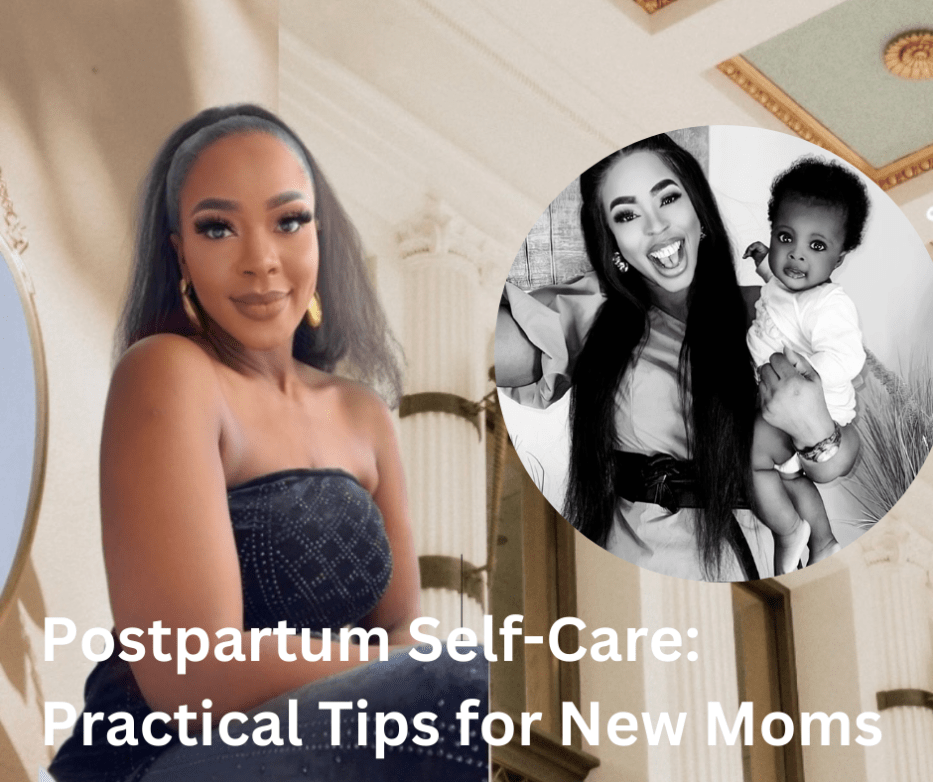

Welcoming a new baby into your life is a joyous occasion filled with love and excitement. However, the postpartum period can also be incredibly challenging as you adjust to your new role as a mother. Amidst sleepless nights, constant feeding schedules, and the overall demands of caring for a newborn, it’s easy to overlook your own needs. But self-care during this time is not just a luxury—it’s essential. Taking care of yourself allows you to be the best mom you can be. In this post, we’ll explore practical self-care tips to help you navigate the postpartum period with ease and joy.
Understanding Postpartum Self-Care
Why It Matters: Self-care is crucial for managing postpartum depression, reducing stress, and promoting physical recovery. It’s common for new moms to feel immense pressure to be perfect, often leading to feelings of guilt when they try to focus on their own needs. However, prioritizing self-care is vital for both your well-being and your ability to care for your baby.
Physical Self-Care
Rest and Sleep: One of the most important aspects of postpartum self-care is getting enough rest. Try to nap when your baby sleeps, and don’t hesitate to ask for help from your partner, family, or friends. Remember, it’s okay to accept help—your health is a priority.

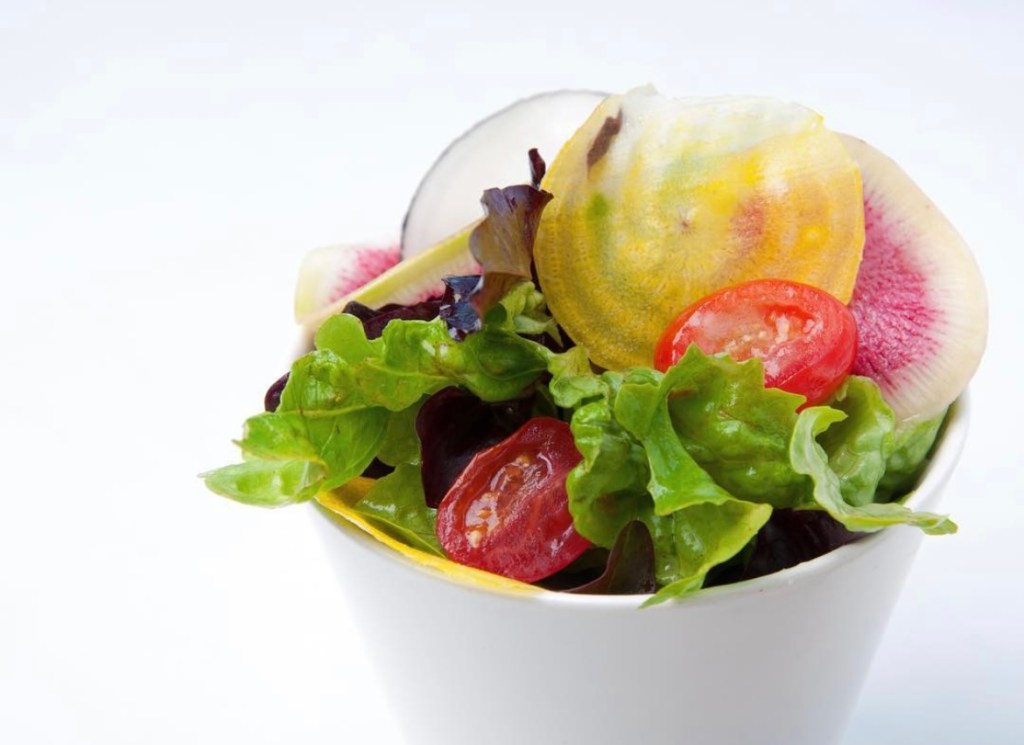
Nutrition: Eating well-balanced meals is essential for recovery and maintaining your energy levels, especially if you’re breastfeeding. Keep healthy snacks handy and ensure you stay hydrated throughout the day.
Gentle Exercise: Engage in light activities like walking or postpartum yoga to boost your energy and mood. Exercise can also help in physical recovery and improve your overall well-being.

Postpartum Check-ups: Don’t skip your medical appointments. Regular check-ups are essential to ensure your body is healing properly. Address any physical discomfort or concerns with your healthcare provider.
Emotional and Mental Self-Care
Talk About Your Feelings: Sharing your experiences with your partner, friends, or a support group can be incredibly therapeutic. Bottling up emotions can lead to anxiety and depression, so it’s important to express how you feel.
Mindfulness and Relaxation: Practice deep breathing, meditation, or other relaxation techniques to manage stress. Taking a few minutes each day to focus on your mental health can make a big difference.
Professional Support: If you’re feeling overwhelmed, consider seeking help from a therapist who specializes in postpartum care. Professional support can provide you with strategies to cope with the changes and challenges you’re facing.
Practical Tips for Daily Self-Care
Simplify Your Routine: Focus on the essentials and let go of perfection. It’s okay if the house is a bit messy. Prioritize tasks that are necessary and leave the rest for later.

Create a Support Network: Arrange for help with chores and baby care. Don’t hesitate to accept offers from friends and family. Having a strong support network can significantly ease your burden.
Set Realistic Expectations: Understand that it’s normal to have ups and downs. Be kind to yourself and acknowledge your efforts. Remember, it’s okay to ask for help and take breaks.
Connecting with Your Partner
Communicate Openly: Share your feelings and workload with your partner. Open communication strengthens your bond and reduces misunderstandings.
Plan Date Nights: Even a short walk or a quiet dinner at home can help maintain your connection. Spending quality time together is important for your relationship.
Rediscovering Personal Interests
Find Time for Hobbies: Engage in activities you love, even if it’s just for a few minutes a day. Hobbies can be a great way to relax and recharge.
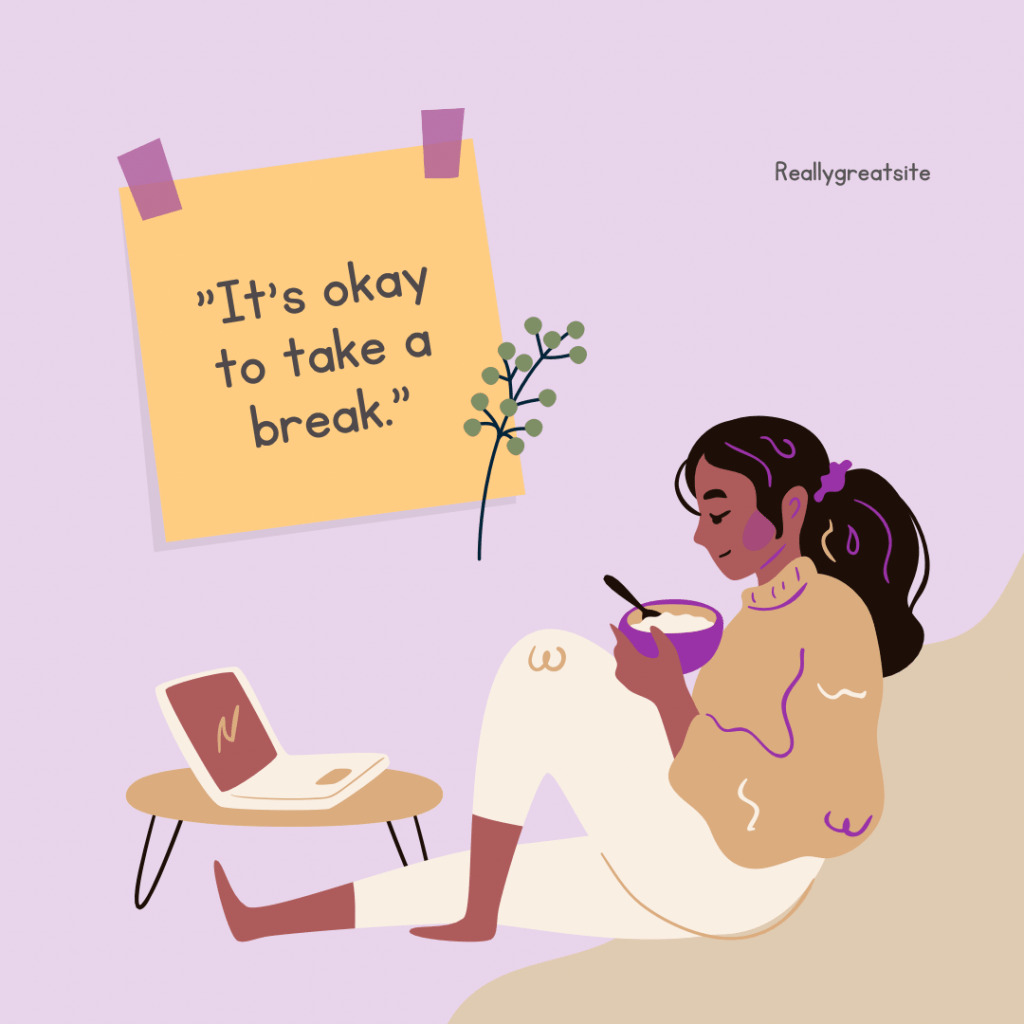
Me-Time: Take breaks to read, watch a favourite show, or take a relaxing bath. Personal time is rejuvenating and essential for your overall well-being.
Embracing the Journey
Be Patient: Adjusting to motherhood takes time. Celebrate small victories and learn from challenges. Every day is a step forward in this beautiful journey.
Stay Positive: Focus on the joyful moments with your baby. Practicing gratitude can enhance your overall well-being and make the challenges feel more manageable.
Conclusion
Prioritizing self-care during the postpartum period isn’t selfish; it’s essential for both you and your baby. By taking small, intentional steps to care for your physical, emotional, and mental health, you can navigate this transformative time with more ease and joy. Remember, you’re doing an incredible job, and taking care of yourself is a vital part of being the best mom you can be.
Share your postpartum self-care tips or stories in the comments below. Let’s support each other on this beautiful journey of motherhood!








 Angenerate
Leave a comment